pexels-matilda-wormwood-4098761

how to do a deep cleaning?

Performing a deep clean requires time, attention to detail, and following a structured plan. Here are some general steps you can follow:

Preparation: Remove objects and furniture that block access to the areas you want to clean. Open the windows to ventilate the space.

Dust Removal: Start by removing dust from all surfaces. Use a microfiber cloth or duster to clean shelves, tables, picture frames, moldings, and any other objects exposed to dust.

Cleaning windows and glass: Clean the windows with glass cleaner and a lint-free cloth. Be sure to clean both the inside and outside of the windows, and pay attention to the frames and blinds if there are any.

Hard Surface Cleaning: Thoroughly clean hard surfaces such as counters, tables, desks, and appliances. Use a cleaner suitable for each type of surface and a non-abrasive cloth or sponge.

Appliance Cleaning: Spend time cleaning appliances like the oven, stove, microwave, refrigerator, and dishwasher. Remove food remains, disinfect and clean the interior and exterior.

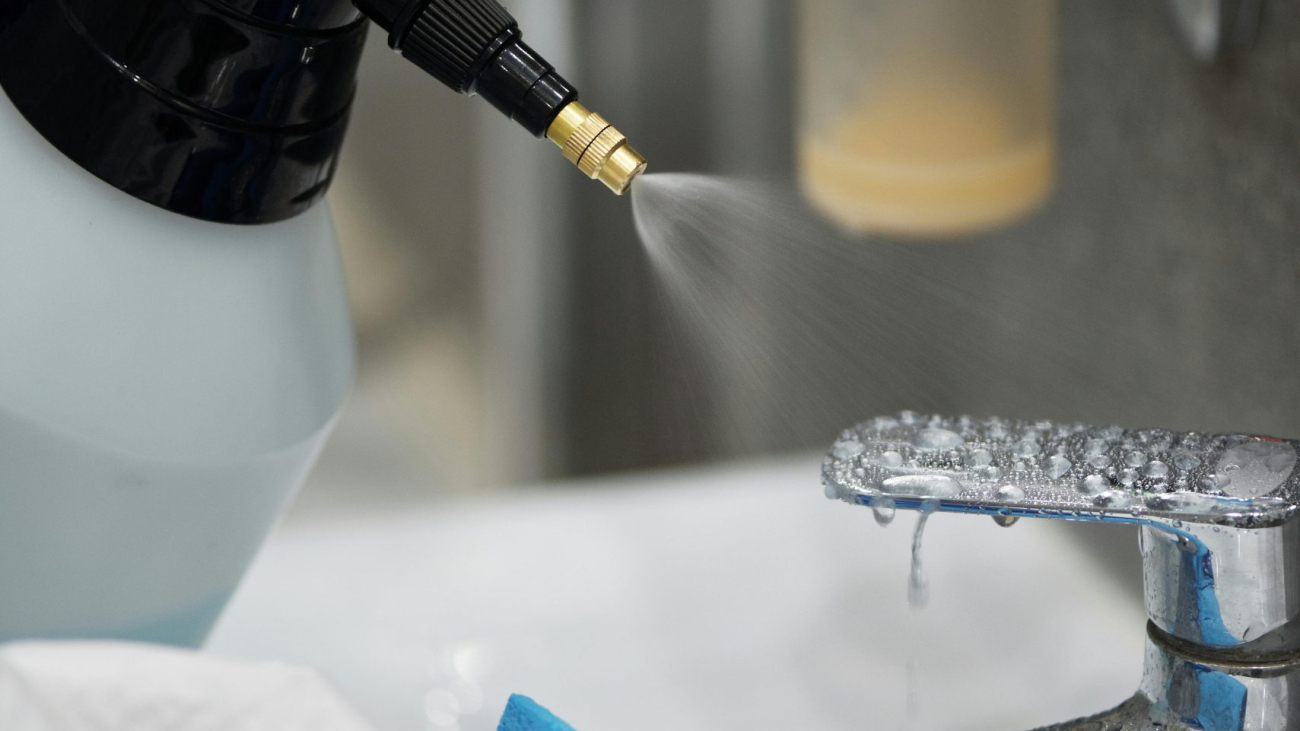
Bathroom Cleaning: Thoroughly clean and disinfect bathrooms. Clean the tiles, bathtub, toilet, sink and mirrors. Don’t forget to clean accessories such as faucets and paper roll holders.

Floor Cleaning: Vacuum or sweep floors to remove dust and debris. Then, scrub or mop using a cleaner suitable for the type of floor you have.

Upholstery and textile cleaning: Wash or dry clean curtains, sofa covers, pillows and other textiles according to the manufacturer’s instructions. Vacuum or use a specific cleaner to clean stains on upholstery.

Organization and relocation: Take advantage of deep cleaning to organize and relocate objects to their correct place. Get rid of what you no longer need and organize closets and drawers.

Remember that these are just general steps and that deep cleaning may vary depending on the type of space and specific needs. It is always advisable to read the instructions on cleaning products and follow best safety practices.

An employee pulls a trolley for cleaning offices. Woman cleaner is engaged in work. Shopping center place for text

What elements to use for cleaning?

Industrial cleaning items can vary depending on the type of industry and specific cleaning needs. However, here are some common items used in industrial cleaning:

Cleaning equipment: These include industrial vacuum cleaners, mechanical sweepers, scrubbing machines, high pressure machines, steam cleaning equipment, among others. These equipment are designed to perform cleaning tasks on large areas and surfaces efficiently.

Cleaning Chemicals: Industrial chemicals include degreasers, disinfectants, detergents, acidic or alkaline cleaners, and other specialized products for cleaning and disinfecting various industrial surfaces and equipment.

Industrial Brushes and Brooms: These brushes and brooms are designed to withstand harsher conditions and clean larger areas. They may have stronger and more durable bristles.

Protective Suits: Industrial cleaning workers often wear personal protective suits, such as coveralls, heavy-duty gloves, safety glasses, and masks, to protect themselves from chemicals, dirt, and other hazards.

Cleaning utensils: Include buckets, mops, cleaning cloths, scrapers, sponges and other utensils used to clean and disinfect surfaces.

Safety Equipment: In addition to personal protective suits, industrial cleaning may require additional safety equipment, such as fire extinguishers, safety signage, and first aid equipment.

Cleaning Carts and Bins: These carts and bins make it easy to transport cleaning equipment, chemicals, and supplies from one location to another within industrial facilities.

Waste Management Systems: In industrial settings, it is common to have appropriate waste management systems in place, such as trash containers, containers for hazardous chemicals, and procedures for the proper handling and disposal of waste generated during cleaning.

These are just some of the common items used in industrial cleaning. The choice of specific elements and products will depend on the type of industry, cleaning requirements and applicable regulations.